TGM Treatment and Prevention for Nail Discoloration in Fall
As the vibrant shades of autumn paint the world around us, our nails often join in this colorful transformation. However, beneath the allure of fall’s hues lies a concern that many tend to overlook—nail discoloration. Unlike the discomfort that accompanies many nail issues, discoloration often silently creeps in! While it might not hurt, it serves as a warning sign that something might not be quite right with your nail health.
In this comprehensive blog, we’ll delve into the intriguing world of nail discoloration, particularly during the autumn season. We’ll explore the various causes, including how your nail polish choices can impact the color of your nails. You’ll discover proactive measures to keep your nails looking their best throughout the fall, as well as some common home remedies. Plus, we’ll address frequently asked questions about nail discoloration, ensuring you have a complete understanding of this colorful conundrum. And, of course, we’ll explore how The Global Manicurist can assist you in tackling nail discoloration, should you ever need it. So, let’s embark on this colorful journey of nail health and beauty!
Nail Discoloration Reasons
Lifestyle Choices
Your daily habits and lifestyle can significantly impact the appearance of your nails. Here are some key factors:
Smoking: Smoking is notorious for causing yellowish nail discoloration. The nicotine and tar in cigarettes can stain your nails over time. Quitting smoking not only benefits your overall health but can also help restore your nail’s natural color.
Chemical Exposure: Exposure to chemicals found in cleaning products, nail polish removers, or even hair dyes can lead to nail discoloration. These chemicals can weaken the nail structure and cause them to become discolored.
Nail Trauma: Physical trauma to your nails, such as hitting them against hard surfaces or excessive use of nail tools, can lead to discoloration. This occurs as blood vessels under the nail bed rupture, causing a bruised appearance known as a subungual hematoma.
Health Conditions
Several underlying health conditions can manifest as nail discoloration:
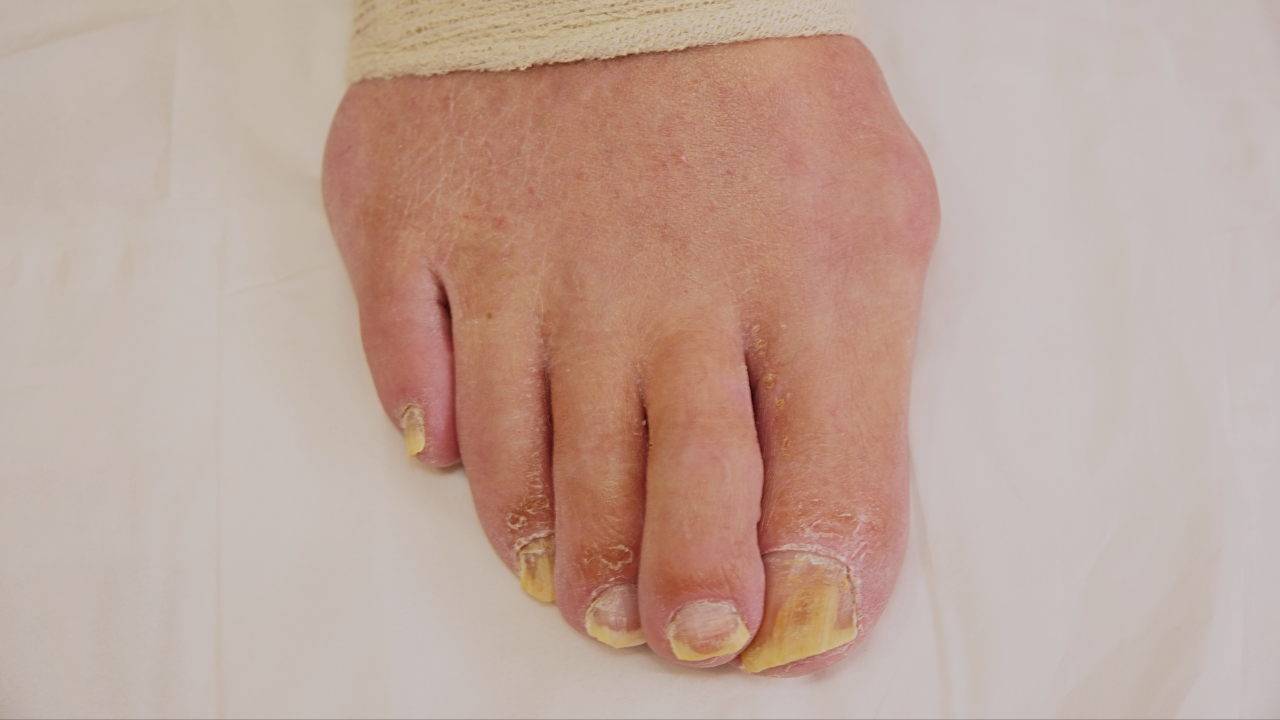
Fungal Infections: Fungal infections, particularly onychomycosis, are a common cause of nail discoloration. Infected nails often develop a yellow or brownish hue. Proper treatment is essential to address this issue effectively.
Psoriasis: Psoriasis can affect both the skin and nails. Nail psoriasis may cause pitting, ridges, or discoloration. It’s crucial to consult a healthcare professional for accurate diagnosis and treatment.
Circulatory Problems: Poor circulation can result in insufficient oxygen and nutrients reaching the nails, leading to nail discoloration. Medical conditions like Raynaud’s disease can contribute to circulation problems.
Medications
Some medications can have side effects that affect nail health and lead to discoloration:
Antibiotics: Prolonged use of certain antibiotics, such as tetracycline, can cause yellow or brown discoloration of the nails.
Chemotherapy Drugs: Some chemotherapy medications can lead to changes in nail color, among other side effects. Patients undergoing chemotherapy should discuss these side effects with their healthcare providers.
Topical Medications: Topical treatments like corticosteroids can sometimes cause nail discoloration as a side effect.
Understanding these underlying causes is essential for both prevention and proper treatment. If you notice any significant and persistent changes in your nail color, it’s advisable to consult a healthcare or nail care professional for a thorough evaluation and guidance on addressing the issue effectively.
Nail Discoloration in Autumn
It’s important to recognize that this season brings its own set of challenges for nail health. While the fall season is beloved for its cool, crisp air and cozy sweaters, it can also impact the appearance of your nails. Here’s how:
1. Exposure to Environmental Factors: During autumn, the humidity levels tend to drop, and the air becomes drier. This change in environmental conditions can affect your nails, leaving them more susceptible to dryness and brittleness. Dry nails are more prone to discoloration.
2. Frequent Use of Nail Polishes: Fall often ushers in a new palette of nail polish colors that perfectly complement the season’s fashion trends. Many people enjoy experimenting with deep, rich shades like burgundy, deep greens, and earthy browns. While these hues can be stunning, they may sometimes stain the nails, particularly if a base coat isn’t used.
3. Exposure to Fallen Leaves and Soil: Autumn’s charm also lies in its falling leaves, but these leaves can pose a challenge to nail health. Activities such as gardening or yard work, which are common in this season, can expose your nails to soil, leaves, and debris. This debris can sometimes get trapped under the nails, leading to discoloration.
4. Closed-Toe Shoe Season: With the arrival of cooler temperatures, people often switch to closed-toe shoes and boots. The warmth of these shoes combined with the potential for sweat can create an environment conducive to fungal growth. Fungal infections can cause nail discoloration and other nail issues.
5. Changes in Diet: Fall brings changes in dietary preferences, including the consumption of foods and beverages like pumpkin spice lattes and rich comfort foods. These dietary changes can sometimes affect the nutrients your nails receive, potentially influencing their appearance.
While these factors can contribute to nail discoloration during autumn, it’s essential to remember that proactive care can help mitigate these issues. In the following section, we’ll discuss effective strategies to prevent nail discoloration and maintain healthy, colorful nails throughout the season.
How to Prevent Nail Discoloration During Autumn
Proper Hydration
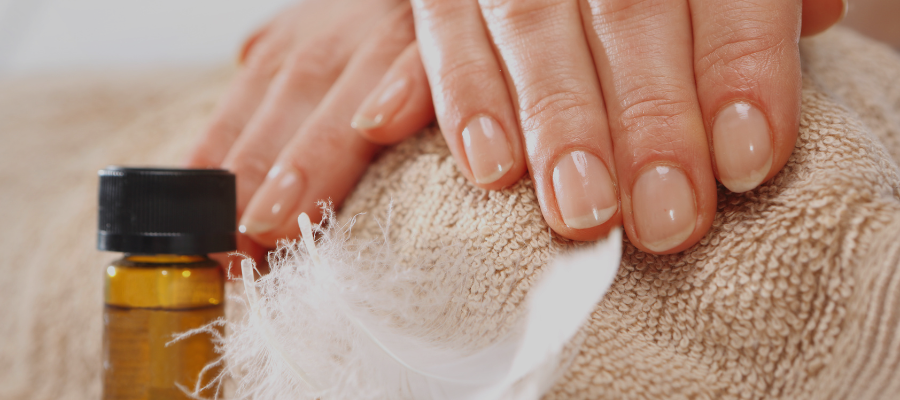
The key to maintaining nail health during autumn is hydration. With the drier air, your nails are more prone to becoming brittle and discolored. Regularly applying a nourishing cuticle and nail oil can help lock in moisture. Look for products containing ingredients like jojoba oil, vitamin E, and almond oil, which are excellent for maintaining nail hydration. Make this part of your daily nail care routine to keep your nails supple and strong.
Base Coat Protection
Before applying nail polish in those captivating autumn hues, always start with a clear base coat. A good quality base coat acts as a barrier, preventing pigments in the polish from staining your nails. It also provides a smoother surface for nail polish application, extending the life of your manicure.
Regular Nail Care
Frequent nail maintenance is crucial. Trim your nails regularly, and gently buff the surface to keep them smooth. This helps prevent debris from getting trapped under the nails, reducing the risk of discoloration. Additionally, avoid excessive filing, which can weaken the nails.
Protective Gloves
When engaging in outdoor activities like gardening or raking leaves, consider wearing protective gloves. Gloves not only shield your hands and nails from dirt and debris but also provide insulation against the cold, which can help prevent fungal growth and nail discoloration.
Proper Footwear
Closed-toe shoes and boots are autumn essentials, but they can create an environment conducive to fungal infections. Ensure your shoes fit well and allow for proper ventilation. Choose moisture-wicking socks to keep your feet dry. If you notice any signs of fungal infection, seek prompt treatment to prevent further discoloration and damage.
Balanced Diet
Maintain a balanced diet rich in vitamins and minerals essential for nail health. Include foods like leafy greens, nuts, eggs, and lean proteins to provide the nutrients your nails need to stay strong and vibrant. Biotin, found in foods like almonds and sweet potatoes, is particularly beneficial for nails.
Nail-Friendly Polishes
Opt for nail polishes that are free from harmful chemicals like formaldehyde, toluene, and dibutyl phthalate. These chemicals can cause discoloration and weaken the nails. Look for polishes labeled as “5-free” or “7-free” for a safer, nail-friendly option.
Regular Moisturizing
Just as your skin needs moisturizing in the cooler months, so do your nails. Consider using a hand and nail cream that’s enriched with hydrating ingredients. Massaging this cream into your nails and cuticles can improve blood circulation and promote nail health.
Limit Exposure to Staining Agents
While those deep, autumnal nail polish shades are alluring, they can sometimes lead to staining. Consider using a clear or neutral polish as a protective layer beneath darker shades. Additionally, avoid prolonged exposure to substances that may stain your nails, such as dyes and certain chemicals.
Regular Check-Ins
Finally, don’t forget to pay attention to your nails. Regularly inspect them for any signs of discoloration or other issues. Promptly addressing any abnormalities can prevent them from worsening.
Home Remedies for Nail Discoloration
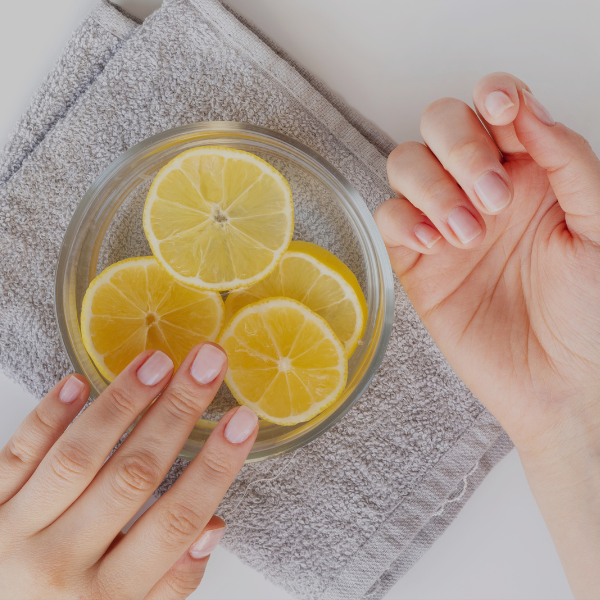
- Lemon Juice Soak: Lemon juice is a natural bleaching agent that can help reduce nail discoloration. Squeeze fresh lemon juice into a bowl of warm water and soak your nails in it for 10-15 minutes. Gently scrub your nails with a soft nail brush, rinse, and moisturize. Repeat this remedy a few times a week.
- Baking Soda Paste: Baking soda is an excellent exfoliant that can help remove stains from the surface of your nails. Make a paste by mixing baking soda with a small amount of water. Gently rub the paste on your nails using a soft toothbrush or nail brush. Rinse and moisturize afterward. Be cautious not to overuse this method, as excessive scrubbing can damage your nails.
- Hydrogen Peroxide Soak: Hydrogen peroxide is known for its whitening properties. Mix equal parts of hydrogen peroxide and water in a bowl and soak your nails for a few minutes. Rinse thoroughly and apply moisturizer afterward. Use this remedy sparingly, as hydrogen peroxide can be drying.
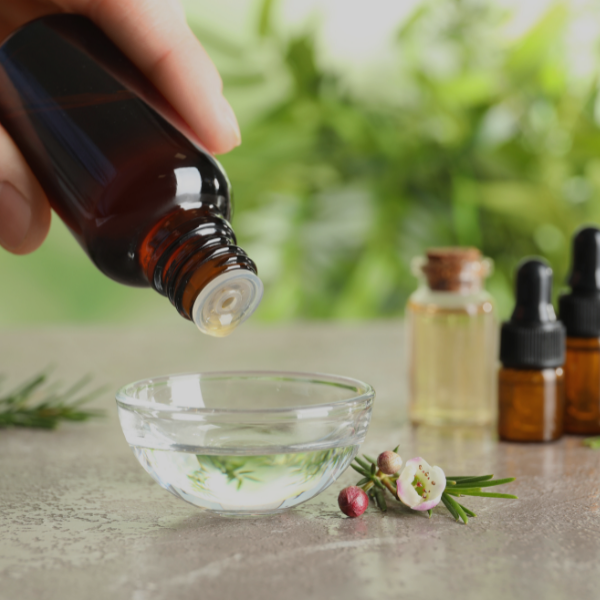
- Tea Tree Oil Massage: Tea tree oil has natural antifungal and antibacterial properties, making it an excellent choice for treating nail discoloration caused by infections. Dilute a few drops of tea tree oil in a carrier oil like jojoba or olive oil. Gently massage the mixture into your nails and cuticles. Leave it on for at least 30 minutes before rinsing. Repeat this process daily until the discoloration improves.
- Vinegar Soak: Apple cider vinegar can help restore the natural color of your nails. Mix equal parts of apple cider vinegar and warm water in a bowl and soak your nails for 15-20 minutes. Rinse and moisturize afterward. This remedy can be repeated several times a week.
- Strawberry Paste: Strawberries contain natural acids that can help whiten and brighten your nails. Mash a ripe strawberry and apply the pulp directly to your nails. Leave it on for 5-10 minutes, then rinse and moisturize. Repeat this remedy once or twice a week.
- Olive Oil Soak: Olive oil is an excellent nail conditioner that can help nourish and moisturize your nails, potentially reducing discoloration. Warm a small amount of olive oil and soak your nails in it for 10-15 minutes. Gently massage your nails and cuticles to promote absorption. Rinse and moisturize afterward. You can use this remedy daily.
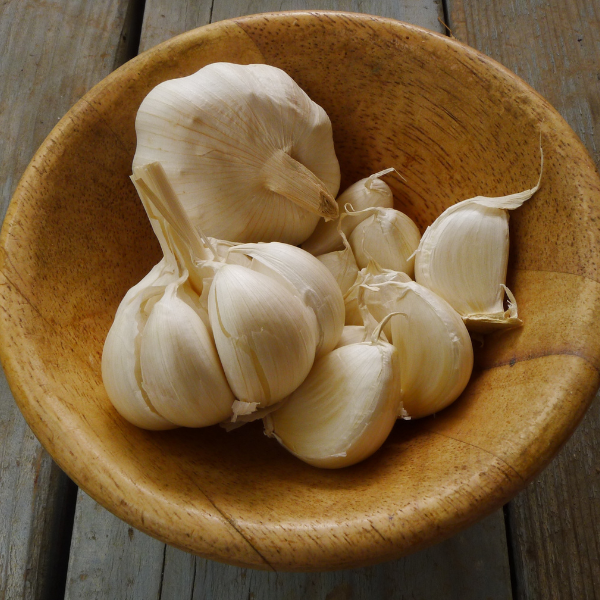
- Garlic Clove Rub: Garlic has natural antifungal properties and can help combat nail infections that may cause discoloration. Cut a garlic clove in half and rub it directly on the affected nails. Leave it on for 30 minutes before rinsing. Repeat this remedy daily until the discoloration improves.
Remember that consistency is key when using home remedies, and it may take several weeks to see noticeable results. If your nail discoloration persists or worsens despite trying these remedies, it’s advisable to consult a professional nail technician or dermatologist for a proper diagnosis and treatment plan.
Frequently Asked Questions (FAQs) – Demystifying Nail Discoloration
Nail discoloration can be puzzling, and it’s natural to have questions. Let’s delve into some common queries about nail discoloration and get you well-informed:
1. What Causes Nail Discoloration?
Nail discoloration can arise from various factors. It could be due to fungal infections, trauma to the nail, vitamin deficiencies, or even the nail polish you use. Understanding the underlying cause is crucial for effective treatment.
2. Is Nail Discoloration Painful?
In most cases, nail discoloration itself isn’t painful. However, the underlying condition causing the discoloration might be. If you experience pain along with nail discoloration, it’s advisable to consult a professional promptly.
3. Can Nail Discoloration be Prevented?
Preventing nail discoloration often involves practicing good nail hygiene, avoiding excessive use of nail polish, and protecting your nails from trauma. We’ll delve deeper into prevention strategies in this blog, so keep reading!
4. Is It Safe to Use Over-the-Counter Treatments?
Over-the-counter treatments can be effective for some cases of nail discoloration. However, it’s essential to use them as directed and consult a professional if the discoloration persists or worsens.
5. When Should I Seek Professional Help?
If your nail discoloration is accompanied by pain, swelling, or any other concerning symptoms, or if it persists despite home remedies, it’s time to seek professional help. A nail technician or dermatologist can provide a thorough evaluation and recommend appropriate treatment.
6. What Can I Expect During a Nail Discoloration Consultation at The Global Manicurist?
During your consultation at The Global Manicurist, our experts will assess your nails’ condition, identify the cause of discoloration, and discuss treatment options. You can expect personalized guidance and a treatment plan tailored to your specific needs.
7. Are There Home Remedies for Nail Discoloration?
Yes, there are several home remedies that can help with nail discoloration. From gentle nail soaks to natural oils, we’ll explore these remedies in detail in this blog.
8. How Long Does Nail Discoloration Treatment Take?
The duration of treatment varies depending on the cause and severity of the nail discoloration. Mild cases may see improvement in a few weeks, while more complex issues may require several months of consistent care.
9. Can I Wear Nail Polish During Treatment?
While it’s generally safe to wear nail polish, it’s essential to use a base coat to protect your nails. Non-acetone nail polish removers are preferable during treatment to minimize further damage.
10. Will My Nails Return to Their Natural Color?
In many cases, with the right treatment and care, nails can regain their natural color. However, it may take some time, patience, and adherence to recommended treatments.
I hope these FAQs shed light on your concerns about nail discoloration. If you have more questions or seek personalized guidance, don’t hesitate to book a consultation with us at The Global Manicurist. Your journey to healthier, more beautiful nails starts here.
Nail Discoloration Treatment at The Global Manicurist

Say goodbye to nail discoloration woes as we offer personalized consultations to assess your unique needs. I have decades of experience treating nail discoloration and I will craft a tailored plan just for you.
Why Choose TGM?
Expert Guidance: Benefit from the knowledge and expertise of our nail specialists who will provide you with the most effective treatment options.
Proven Solutions: We utilize advanced techniques and products to address nail discoloration, ensuring the best results possible.
Personalized Care: Every treatment plan is customized to suit your individual needs, guaranteeing a solution that works for you.
The First Step Towards Radiant Nails:
Don’t wait any longer. Book your consultation with The Global Manicurist today and take the first step towards nail perfection. Rediscover the joy of beautiful, healthy nails – because you deserve it.